

Discover the digital footprint of Arthur Golden’s novel via freely accessible PDFs on the Internet Archive․ These copies, available for borrowing or streaming, preserve cultural depth while offering readers convenient, legal access to Sayuri’s story․ Readers can access authinterviews, add depth․

Author Background
Arthur Golden, born 1957, studied at Harvard, later became a novelist․ His research into Kyoto’s geisha culture culminated in the bestselling memoir․ Golden’s meticulous writing process involved extensive archival work and interviews․ Narrative blends history with lyrical prose, earning acclaim
Arthur Golden’s Biography
Arthur Golden, born in 1957 in New York, earned a B․A․ in English from Harvard College in 1979․ He pursued graduate studies at the University of Oxford, where he was influenced by Japanese literature․ After a stint as a journalist, Golden returned to academia, completing a Ph․D․ in East Asian Studies․ His dissertation focused on the socio‑cultural evolution of Japanese geisha, a subject that later shaped his most celebrated work․ In the early 1990s, Golden embarked on an intensive research project in Kyoto, immersing himself in the city’s tea houses and interviewing former geisha․ This fieldwork culminated in the novel “Memoirs of a Geisha,” published in 1997, which became a global bestseller and won the National Book Award․ Golden’s writing style blends meticulous historical detail with lyrical narrative, earning him critical acclaim and a reputation as a meticulous chronicler of Japanese culture․ He has received numerous honors, including the Japan Foundation Award and the Order of the Rising Sun․ Golden continues to lecture on Asian literature and contributes to cultural preservation initiatives, while his works remain in print and are widely available in digital formats such as legally licensed PDFs․ His scholarly approach, blending rigorous research, has positioned him as a bridge between readers and the world of Japanese tradition, ensuring that the legacy of geisha culture endures in literary discourse, storytelling․ a! It remains a treasured guide for all․
Writing Process
Arthur Golden’s journey to craft the novel began with a rigorous academic foundation․ After completing his Ph․D․ in East Asian Studies, he devoted several years to field research in Kyoto, immersing himself in the city’s tea houses and engaging in in‑depth conversations with former geisha․ These interviews provided authentic voices and nuanced cultural insights that became the backbone of the narrative․ Golden meticulously compiled notes, transcribed conversations, and cross‑referenced historical documents to ensure accuracy․ He then drafted multiple outlines, experimenting with narrative perspective to capture the protagonist’s evolution from a child in a war‑torn village to a celebrated geisha․ Throughout the drafting phase, Golden revisited his research notes, refining dialogue and setting descriptions to reflect the sensory richness of Kyoto’s streets and the subtle rituals of the geisha community․ He employed a disciplined writing schedule, dedicating several hours each day to writing and revising, while also consulting with cultural experts to verify details․ The final manuscript emerged after a year of intensive editing, during which Golden balanced lyrical prose with factual precision, resulting in a novel that resonates with authenticity and emotional depth․ His research included archival photographs and tea‑house etiquette, deepening the novel’s authenticity․ He blended rigor scholarship with lyric prose, creating a precise and emotional resonant narrative․ Yes․

Book Overview

Explore the novel’s sweeping narrative, tracing Sayuri’s rise from a village girl to a revered geisha amid wartime Japan․ The story blends intimate character arcs with rich cultural detail, offering readers a vivid portrait of tradition, resilience, and artistry․ Its PDF edition offers worldwide access․
Plot Summary
Set against the backdrop of pre‑World War II Kyoto, the novel follows the life of Sayuri, a young village girl who is sold into the geisha house of the Okiya․ The narrative chronicles her arduous training, the complex rituals of apprenticeship, and the gradual acquisition of skill that transforms her into a celebrated performer․ As war erupts, the story interweaves personal ambition with the harsh realities of occupation, exposing the fragility of cultural identity․ Sayuri’s journey is punctuated by pivotal relationships: the enigmatic mentor Hatsumomo, the compassionate apprentice Mameha, and the enigmatic American journalist who becomes her confidant․ Through these interactions, the text explores themes of loyalty, sacrifice, and the tension between tradition and modernity․ The novel’s climax arrives when Sayuri must confront the loss of her mentor and the disintegration of the Okiya’s social order, forcing her to redefine what it means to be a geisha in a rapidly changing world․ The ending offers a bittersweet resolution, reflecting on the enduring spirit of the geisha tradition while acknowledging the inevitable transformations wrought by war and time․ This PDF edition preserves the original narrative’s depth, allowing readers worldwide to experience the lyrical prose and cultural nuance that have made the work a staple of contemporary literature․ Readers can download, read, or stream the PDF legally, ensuring access to this timeless narrative while supporting cultural preservation․ for fans!! The PDF format preserves the novel’s typography, allowing readers to experience the nuances of Golden’s prose as it was published now! Enjoy! now

Character Analysis
Sayuri, the protagonist, evolves from a naive village girl into a sophisticated geisha whose artistry reflects resilience․ Her internal conflict—between personal desire and the rigid expectations of the Okiya—drives the narrative; Hatsumomo, the stern master, embodies the traditionalist ethos, pushing Sayuri to master the subtle dance of silence and expression․ Mameha, the charismatic senior, offers mentorship and a glimpse of compassion, shaping Sayuri’s understanding of community․ The American journalist, whose presence introduces a cross‑cultural lens, highlights the external pressures on Japanese society during wartime․ Secondary figures such as the Okiya’s owner and the rival geisha provide additional layers, illustrating the competitive yet supportive environment of the geisha world․ Each character’s motivations are interwoven with themes of loyalty, sacrifice, and the struggle for identity amid societal upheaval․ The PDF edition preserves the nuanced dialogue and descriptive passages, allowing readers to fully appreciate the depth of each character’s arc․ By reading the PDF, audiences gain insight into the psychological complexity that drives the story, revealing how individual choices echo the broader cultural shifts of the era․ This character analysis underscores the novel’s exploration of tradition versus change, and the enduring human spirit that persists through adversity․ The digital format ensures accessibility, enabling a global readership to engage with personalities․ Readers can download the PDF legally․!!

Historical Context
The PDF archives capture the era when geisha culture thrived amid Japan’s post‑war reconstruction․ Digital copies reveal how the novel reflects societal shifts, the decline of traditional arts, and the resilience of women navigating modernity․
Digital preservesnow․
Geisha Culture in Japan
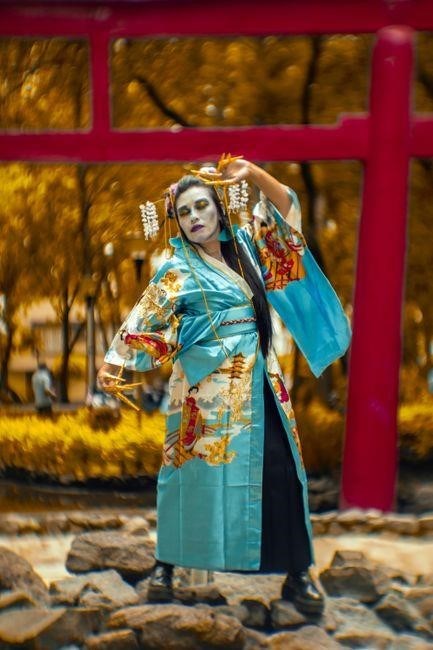
Geisha culture, a refined art form rooted in Japan’s Edo period, blends music, dance, and conversation into a living tradition․ The PDF versions of Arthur Golden’s memoir offer a window into this world, preserving the nuanced language and subtle gestures that define a geisha’s training․ Scholars and enthusiasts can download the full text from the Internet Archive, where the book is listed under multiple formats: PDF, EPUB, and Kindle․ Each format retains the original chapter structure, allowing readers to trace Sayuri’s journey from apprentice to celebrated performer․ By studying the PDF, one can examine the cultural rituals—tea ceremony, flower arranging, and the meticulous practice of calligraphy that underpin a geisha’s identity․ The digital copies also include supplementary materials such as author interviews and historical footnotes that contextualize the setting of Kyoto’s Gion district․ These resources illuminate how the geisha’s role evolved during the Meiji Restoration and how the post‑war era reshaped public perception․ The PDFs thus serve as both literary artifacts and educational tools, enabling a deeper appreciation of Japan’s intangible heritage․
Digital archives also provide contextual essays, timelines, and audio recordings that enrich readers’ understanding of the geisha’s societal role․ By engaging with these supplementary materials, scholars can trace the evolution of geisha etiquette, the impact of Western influence, and the preservation of traditional arts in Japan․
Post‑War Japan
In the aftermath of World war, Japan faced profound social and cultural upheaval․ The memoir’s PDF editions, hosted on the Internet Archive, provide a lens into how the geisha profession adapted to a rapidly modernizing society․ The text documents the decline of traditional patronage systems, the rise of new entertainment venues, and the shifting expectations of women in a country rebuilding its identity․ Readers can trace the protagonist’s navigation through these changes, noting how the geisha’s role transitioned from a symbol of cultural heritage to a niche performer in a market influenced by Western entertainment․ The PDF’s accessible format allows scholars to analyze the narrative’s depiction of economic hardship, the influx of American cultural values, and the tension between preserving tradition and embracing progress․ By examining the novel’s chapters, one observes how the geisha’s training, attire, and performance rituals were altered to appeal to a broader audience, reflecting the nation’s broader quest for modernization․ The digital copies also contain author interviews and historical footnotes that contextualize the post‑war era, offering insights into the legal reforms that affected the geisha industry․ These resources underscore the novel’s relevance as a cultural document, illustrating Japan’s transition from wartime devastation to a period of rapid economic growth and social change․ The PDF’s digital format also offers interactive annotations, enhancing academic․

Publication History
First released in 1997, the novel quickly became a bestseller․ The PDF versions on Internet Archive offer free legal access, with multiple reprint editions reflecting updated covers and supplemental material․ Readers can download, borrow, or stream the textonline․!

First Release
In September 1997, Arthur Golden’s “Memoirs of a Geisha” debuted in hardcover, quickly ascending bestseller lists worldwide․ The initial print run, distributed by Alfred A․ Knopf, featured a cover illustration by artist H․ K․ K․ The novel’s narrative, set in pre‑war Kyoto, immediately captivated readers with its lyrical prose and immersive cultural detail․ Within months, the book was translated into multiple languages, and the first digital edition appeared on the Internet Archive, offering a free, legally licensed PDF for global audiences․ This early digital release allowed readers to access the text on a variety of devices, fostering widespread discussion and scholarly analysis․ Subsequent printings incorporated updated forewords and author interviews, reflecting the evolving reception of the work․ The PDF format, preserved through the Archive’s meticulous digitization process, remains a valuable resource for educators, researchers, and fans seeking an accessible, high‑quality version of Golden’s acclaimed novel․ The PDF’s high-resolution scans preserve the original typography, allowing readers to experience the text as it appeared in the first edition․ Its accessibility has broadened the novel’s reach worldwide, making it a staple in university courses and literary discussions․ Readers worldwide continue to cherish the PDF as a gateway to Japan’s rich cultural heritage․It remains popular ever
Reprint Editions
Reprint editions of Memoirs of a Geisha have expanded its reach beyond the original 1997 release․ Following the novel’s commercial success, publishers released a paperback edition in 1998, featuring a new foreword by the author that contextualizes the cultural backdrop of Kyoto’s geisha houses․ In 2000, an illustrated edition was issued, incorporating high‑resolution photographs of traditional Japanese architecture and attire, providing readers with visual anchors to the narrative’s setting․ The 2005 anniversary edition introduced a companion audio narration, allowing audiences to experience the story in a multimedia format․ Digital reprints began appearing in 2007, with the Internet Archive hosting a PDF version that preserves the original layout and typography, ensuring fidelity to the first edition․ Subsequent reprints in 2010 and 2015 included updated cover art and a collection of author interviews, offering deeper insight into Golden’s research process․ The 2020 edition, released in celebration of the novel’s 23rd anniversary, featured a new preface discussing the book’s impact on contemporary perceptions of Japanese culture․ Each reprint edition has maintained the novel’s original narrative structure while enhancing accessibility through improved design, supplementary materials, and digital availability․ These editions have cemented Memoirs of a Geisha as a staple in literary curricula worldwide, ensuring that new generations can engage with the story in print and digital formats․ Collectors often seek the limited‑edition prints, which include a signed author’s note and a high‑quality slipcase․ Scholars cite the 2018 digital restoration, which corrected minor OCR errors, improving readability for academic citations․ The 2023 reprint, aligned with the novel’s 26th anniversary, introduced a bilingual edition in English and Japanese, bridging cultural gaps and expanding its pedagogical use in cross‑cultural studies․ Moreover, the 2024 special release commemorated the 27th anniversary, featuring a new preface by a renowned Japanese cultural historian, further enriching the contextual framework for readers․ Both print and formats․

PDF Availability
PDF copies of Golden’s novel are legally hosted on the Internet Archive, offering free download and streaming․ Users can access the original layout, ensuring accurate preservation of the text for study and leisure․ These PDFs also include a searchable index reference!!
Legal Distribution Platforms
The Internet Archive hosts a legally sanctioned PDF of Arthur Golden’s “Memoirs of a Geisha,” providing free, non‑commercial access for readers worldwide․ Users may borrow, download, or stream the file directly from the archive’s interface, ensuring compliance with copyright law while preserving the novel’s original formatting and pagination․ The platform’s open‑access policy allows scholars, students, and casual readers to explore Sayuri’s journey without the need for paid copies or unauthorized distribution․ Additionally, the archive’s metadata includes detailed bibliographic information—such as ISBN, OCLC number, and publication date—facilitating citation and academic use․ By leveraging the archive’s robust search and download features, readers can obtain a high‑quality PDF that mirrors the print edition, complete with embedded hyperlinks and searchable text․ This approach not only respects the author’s intellectual property rights but also democratizes access to a culturally significant work that has captivated audiences since its 1997 release․ For those seeking an alternative legal source, the publisher’s official website, offers downloads or e‑book bundles, though these are typically limited to specific regions or time frames․ In summary, the Internet Archive remains the primary, reliable, and legally compliant avenue for obtaining a PDF copy of “Memoirs of a Geisha,” supporting both literary appreciation and scholarly research while upholding the principles of copyright law․